100 Students Create 12-Episode History Podcast
UCF law and journalism students partnered to produce an audio series that narrates the lives of deceased Floridians through first-person storytelling and archival research.
By David Mokoena ·
Nearly 100 University of Central Florida students collaborated during the spring 2026 semester to produce a 12-episode podcast series. The project, titled The Dead Speak, combines legal research with audio production to tell the stories of deceased individuals with strong ties to Florida. The completed episodes are currently available for streaming on SoundCloud.
The initiative began when legal studies lecturer Irene Pons watched a video of a person reading headstones in a cemetery. Pons, who teaches entertainment and funeral law, saw an educational opportunity. She contacted Rick Brunson, a senior instructor in the Nicholson School of Communication and Media, to pair his audio reporting students with her legal studies students. This was their fifth regional Emmy award-winning collaboration, but their largest joint effort to date.
The production process divided labor between the two departments. Pons’ students acted as researchers, using legal databases, death records, and obituaries to identify subjects. They focused on finding stories that were historically verifiable and legally safe to tell. Some students visited cemeteries in person, while others used virtual tours of burial grounds to locate their subjects.
Pons noted that the project sharpened legal research skills. “Law comes into play because a lot of research goes into databases where death records are kept,” Pons said. She explained that entertainment law principles, such as copyright and public domain rules, guided the team in verifying facts like exact dates of death.
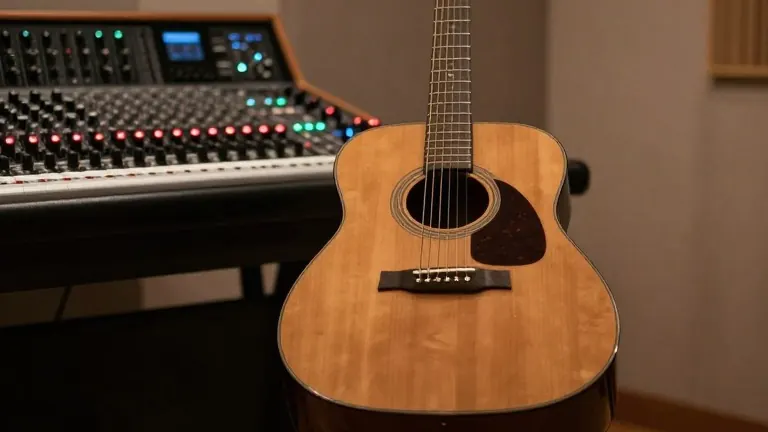
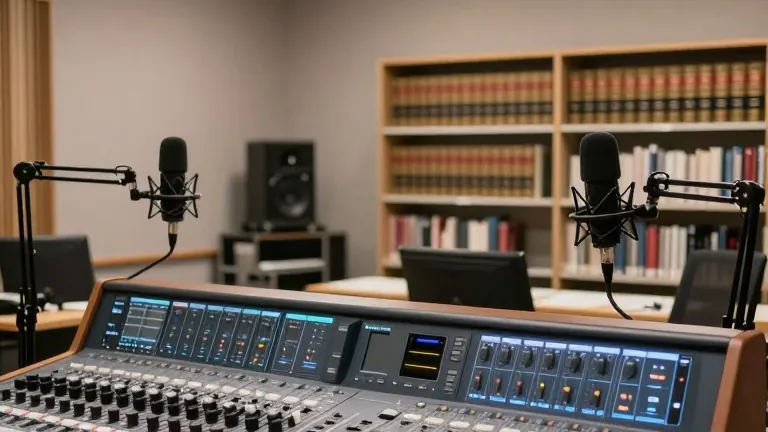
After initial research, the groups met in the Nicholson School’s podcasting studio. Brunson’s students evaluated the potential of each story for audio production. Brunson described the approach as “seeing with your ears,” focusing on whether a subject’s era and life events offered rich sonic opportunities. The journalism students then wrote scripts for first-person narration and cast voice actors to portray the deceased.
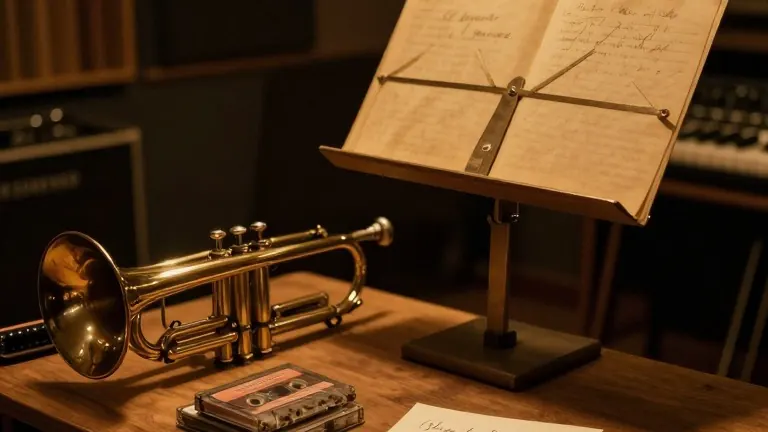
Students sourced voices from professional collectives, friends, and family members who matched the required characterizations. To enhance the listening experience, they recorded ambient sounds such as crickets and musical instruments to create backtracks. These elements aimed to immerse listeners in the time period of each episode.
Student feedback on the cross-disciplinary work was positive. Pons reported that law students often asked if they could stay in the studio to hear their research performed. For Brunson’s students, the project offered a public-facing portfolio piece that adhered to journalism standards of accuracy.
Pons plans to continue the partnership in the spring 2027 semester with her Entertainment Law course. She also intends to incorporate the project into her Death, Dying and the Law course in fall 2027. The series remains accessible to the public via SoundCloud.
Source: UCF Today