Cocoa and fuel costs push Halloween spending to $13.5 billion
Americans plan to spend $4.1 billion on candy alone as transport fees and ingredient prices drive up the cost of the holiday.
By Leila Saeed ·
Americans are projected to spend a record $13.5 billion on Halloween this year, a figure that marks a $400 million increase over 2025 and a $1.9 billion jump from 2024. The National Retail Federation attributes the rise to persistent inflation in essential goods and rising logistics costs.
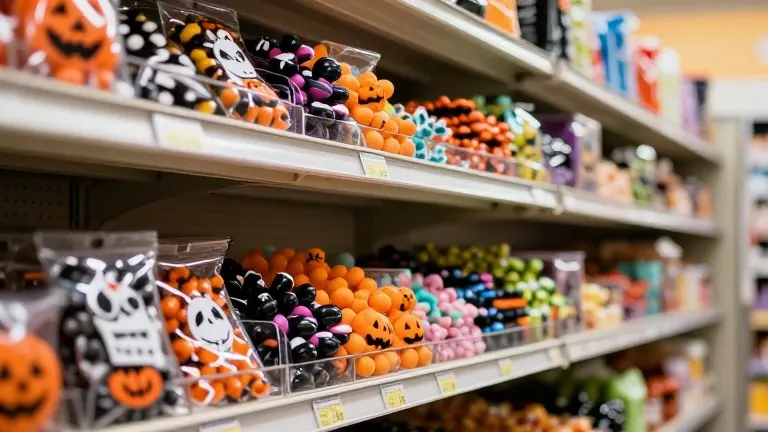
The cost of sweets is a major driver of the total. Consumers are forecast to spend $4.1 billion on candy, with chocolate prices expected to be 8% higher than last year. FinanceBuzz reports that a 100-piece bag of assorted Halloween candy now averages $16.96, a 3.5% increase from the previous year and a 71% increase since 2021.
Manufacturers are passing along the costs of raw materials and transport. Mondelez, which produces Sour Patch Kids and Swedish Fish, raised prices on gummy packs by 39%. Ferrero, home to Butterfinger and Crunch, increased chocolate pack prices by nearly 19%. Cortland Hickey, general manager of Chicago Costume, noted that while tariff costs are now built into product pricing, new fuel surcharges and diesel costs are driving up expenses for receiving goods on pallets and truckloads.
The price hikes stem from a lagging effect of the cocoa market. Although cocoa prices fell from their record highs in 2024 and 2025, candy makers are still processing beans purchased during the peak price spikes. In 2025, heat waves and heavy rains in West Africa, specifically Ghana and Côte d'Ivoire, reduced crop yields. These climate-related shortages, combined with earlier U.S. tariffs on producing nations, kept prices elevated.
Some producers have altered their formulations to cut costs. By replacing traditional ingredients with cheaper alternatives like vegetable oil, products that no longer meet federal standards for milk chocolate are now labeled "chocolate candy" or "chocolate coating." Federal rules require milk chocolate to contain at least 10% cocoa mass and solids, yet brands like Butterfinger and Almond Joy contain 2% or less. Reese's also briefly reduced chocolate in certain seasonal products before announcing it would revert to original recipes in 2027.
Shoppers are adjusting their habits in response to the higher prices. Two-thirds of Americans believe Halloween has become too expensive, according to a WalletHub survey. The NRF found that online shopping for the holiday has slowed, with 27% of consumers planning to buy online, down from 31% in 2025. About half of shoppers began their purchases in September or earlier to find better deals and spread out expenses.
Analysts suggest specific strategies to lower costs. Phil Lempert, editor of the Lempert Report, advises checking prices per piece or per pound on variety packs, noting that some chocolate assortments cost nearly twice as much as gummy bags. For costumes, Hickey recommends buying individual components like wigs and props rather than prepackaged sets. Lempert expects these costs to remain high through 2027 and possibly 2028 due to ongoing climate impacts on cocoa and fuel prices.
Source: CBS News
More Business · Business Complaints · Report a business · Got a Story?