Professional Organizer: Start With the Paper on Your Desk
Kacy Paide says sorting active items before inactive ones helps working families manage document clutter without stress.
By Leila Saeed ·
Kacy Paide, a professional organizer with more than 20 years of experience, advises people to begin their paperwork sorting with the items nearest to them. She focuses on helping clients manage paper clutter and says the process should not feel rushed.
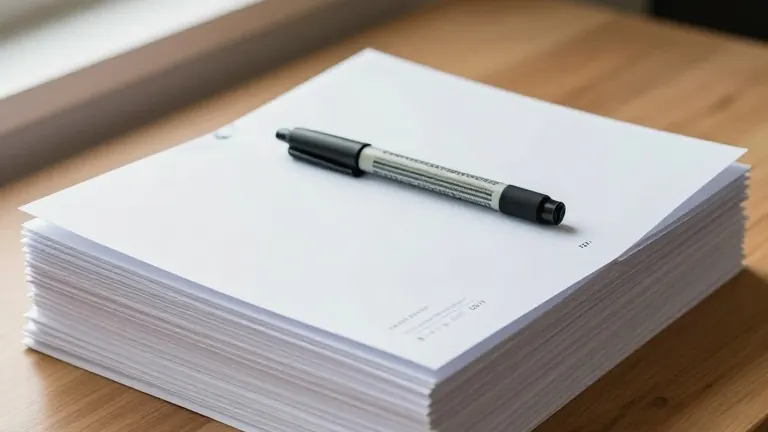
"You're in control of your paper, and it's up to you how fast you want to get through it," Paide says. She recommends ignoring garages or office closets at first. Instead, look at piles on desks or dining tables. She notes that urgent documents are usually the ones closest to the user.
Paide suggests splitting documents into two groups: active and inactive. Active documents need follow up, such as paying a bill or making a call. Inactive documents include receipts, birth certificates, and sentimental items like old greeting cards. She advises setting aside inactive papers for later review.
For active tasks, Paide uses a permanent marker to write the due date boldly on a sticky note attached to the document. She insists on specific deadlines, like "due by Nov. 15," rather than vague labels like "urgent." This makes it clear what needs to be done and when.
When storing important records such as passports and marriage certificates, Paide places them in a brightly colored folder. She keeps this folder at the front or back of a file box to make it easy to find. She prefers simple file folders labeled with sticky notes, which allows her to change the sorting system later if needed.
Paide also advises destroying documents that contain sensitive information to prevent identity theft. The Federal Trade Commission recommends discarding items with account numbers, birth dates, passwords, pins, signatures, or Social Security numbers. She says people do not need to shred every piece of paper with their name and address on it.
For difficult items like old letters or divorce papers, Paide suggests working with a friend or family member. She says people often decide quickly whether to keep or toss these items once they voice their thoughts. She recommends dedicating 25 minutes at a time to the task.
Source: WUFT