Trump Rates Shenzhen Summit a 12 After No Nuclear Cuts Agreed
The three-way declaration reaffirmed nuclear peace but omitted details on arms reduction, drawing sharp criticism from Senate Democrats and European allies.
By Ricardo Kovalenko ·
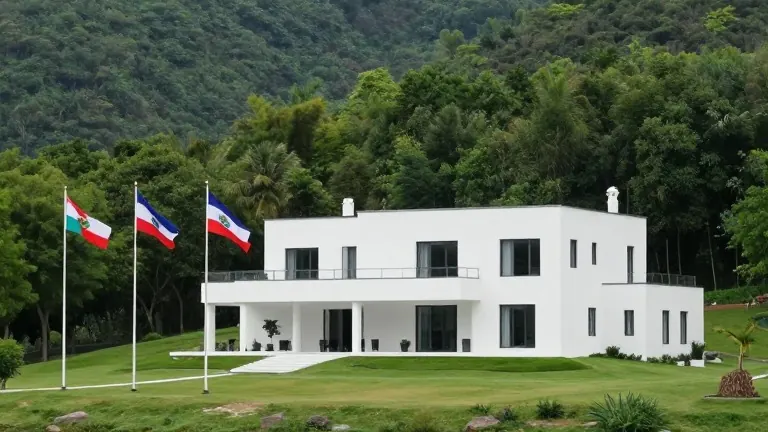
Donald Trump rated the recent trilateral summit in Shenzhen a 12 on a scale of 10, calling the event a success after China, Russia, and the United States issued a joint declaration. The leaders met in a villa near a lake in the southern Chinese city, where they agreed on a symbolic peace pledge. Despite the high praise from the US president, the document contained no specific plans for arms control negotiations.
The joint statement was released after a three-day diplomatic trip by Trump across Asia. It included pledges to reform the United Nations and increase global fuel supplies. The leaders also reaffirmed that a nuclear war cannot be won and must never be fought. They committed to dialogue on reducing nuclear risks, though they did not set a timeline for these talks. Notably, the text omitted any mention of Russia’s ongoing war in Ukraine or the conflict between the US and Iran.
Trump sought to bolster his political standing following his party’s loss of control of Congress in the midterms. He compared the meeting to the 1945 Yalta conference, describing it as bigger and more important. He defended his warm relationship with Vladimir Putin by noting that having nations with large nuclear arsenals as friends was preferable to having them as enemies. Xi Jinping hugged Trump during the meeting, while Trump referred to Putin as his friend.
Political reaction in the United States was divided. Charles Schumer, the Senate minority leader, labeled the summit a historic embarrassment. He accused the president of bowing to adversaries for a photo opportunity. In contrast, Daryl Kimball of the Arms Control Association called the reaffirmation of nuclear peace positive but argued that action on disarmament was needed beyond rhetoric.
European allies expressed concern that the US would decide peace terms without their input. German Chancellor Friedrich Merz met with partners in Berlin to support Ukraine. He dismissed the Shenzhen event as a photo opportunity and warned against a Yalta format for ending the war. Jared Kushner, a special envoy, stated that Russia had agreed to multilateral talks with Europe. He said Trump believed peace was achievable after his meetings.
Analysts viewed the summit as a diplomatic win for Russia. Putin gained credibility and moved away from pariah status, despite his country’s economy being small compared to China’s. The declaration also upheld the immunity of state officials in international courts, a point raised by Jonathan Eyal of the Royal United Services Institute. Eyal noted that this pushback against international norms was a key aspect of the agreement.
Future diplomatic interactions are expected to continue in the coming weeks. Trump is scheduled to host the Group of 20 summit at his golf resort in Florida. He may meet with Xi and potentially Putin again. Putin said he would consider attending but would need to factor in the situation in Russia. The next few weeks will test the relationships built during the Shenzhen meeting.