UK watchdogs find toxic methanol and mercury in fake beauty goods
Tests on seized counterfeit cosmetics revealed dangerous levels of heavy metals and alcohol, prompting a new industry campaign to alert consumers.
By Ricardo Kovalenko ·
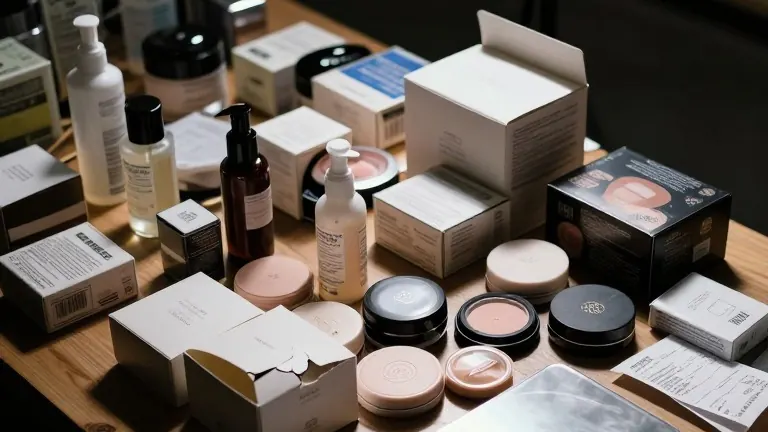
Trading Standards has identified mercury, lead, and methanol in counterfeit beauty products seized across the United Kingdom. The watchdog tested a cross-section of 50 fake cosmetic items and found that several contained substances known to cause serious health issues. These findings indicate that consumers are using products that have not undergone standard health and safety checks.
One skincare product contained 13,200 parts per million of mercury. Repeated exposure to this metal through the skin can damage the kidneys and the nervous system. Other makeup items, including lipstick, eyeshadow, and contour products, showed high levels of lead. Lead exposure poses specific risks to children and pregnant women, potentially affecting the brain and kidney function.
A counterfeit fragrance tested by the agency was composed of approximately 80% methanol. This toxic alcohol can lead to severe poisoning if absorbed. Tests also detected nicotine in a fake perfume. Because these products bypass rigorous safety standards, manufacturers often skip accurate ingredient lists and hygiene protocols.
The volume of fakes entering the market has grown sharply. The Intellectual Property Office (IPO) reported that about 20% of 18 to 24 year olds who purchased beauty products last year knowingly bought counterfeits. This figure represents a steep increase from 6% in 2023. Surveys indicate that nearly three in four people who buy fake cosmetics and toiletries do so through online channels.
Police and trading officers have conducted recent raids to remove these goods from circulation. In July, the Police Intellectual Property Crime Unit and Greater Manchester police seized 1,666 counterfeit hair products. The haul included extensions, shampoos, and conditioners. A separate operation by Trading Standards in Bolton uncovered a production facility in a commercial property. Officers valued the goods found there at 2 million pounds, including perfumes, cosmetics, clothing, and vapes.
Rani Ghosh, an independent toxicologist, warned that the dangers of these products are often invisible. "Some reactions to unsafe cosmetics may be visible, such as irritation, swelling or changes to the skin. But what concerns me as a toxicologist is what you might not see," Ghosh said. She noted that heavy metals like mercury and lead affect the body internally without immediate obvious symptoms.
Ghosh emphasized that the packaging of counterfeit items often looks identical to the real thing. "You cannot tell from the packaging what chemicals are inside, how the product has been made or what risk it might pose," she said. This lack of transparency makes it difficult for buyers to distinguish safe products from dangerous fakes.
Helen Barnham, head of enforcement engagement at the IPO, stated that the findings demonstrate the physical risks consumers face. "These findings show why counterfeit beauty products can pose such serious risks to consumers," Barnham said. She added that fakers exploit trusted brand names while skipping the safety standards that legitimate businesses follow.
The IPO is launching a campaign titled Face the Fakes to address the issue. The initiative will work with content creators and the beauty industry to inform the public about the harms of counterfeit goods. Millie Kendall, chief executive of the British Beauty Council, said the industry supports the effort. Kendall stated that the campaign aims to help consumers buy beauty with confidence and keep fakes out of their beauty bags.
The new campaign marks a coordinated push to change consumer habits. The IPO and industry partners plan to use digital platforms to reach the demographic most likely to buy fakes. This effort follows the recent data showing a rise in intentional purchases of counterfeit beauty items among young adults.
Source: The Guardian