Israel Election: 77% Turnout Leaves No Clear Winner
High voter participation and a tight race between Netanyahu and Eisenkot set the stage for weeks of coalition negotiations.
By David Mokoena ·

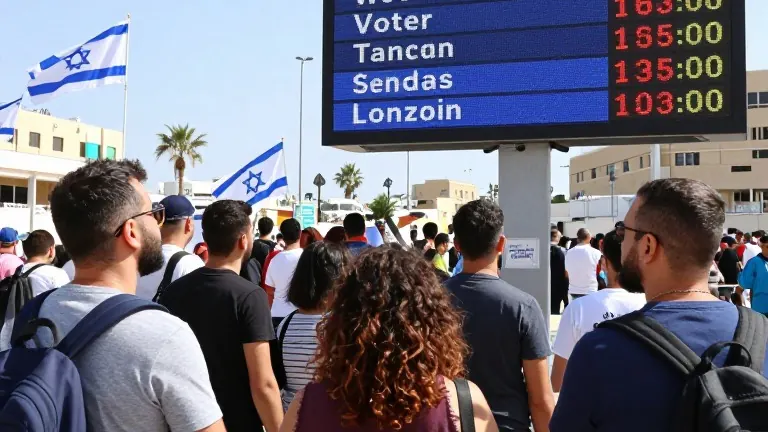
More than 77% of Israeli voters cast ballots on Tuesday, marking the highest turnout in over twenty years. Despite this surge in participation, partial results from the parliamentary election show a tight race with no clear victor as of Wednesday morning.
Prime Minister Benjamin Netanyahu currently leads his main rival, former military chief of staff Gadi Eisenkot, in the official count. However, the combined opposition groups hold more total votes than Netanyahu’s right-wing bloc. This shift suggests a strong mandate for change among the electorate, particularly driven by a significant showing from two Arab-led factions.
Both leaders declared victory prematurely on Tuesday night. Eisenkot, who advocates for increased diplomacy and less extremism, told supporters, "We made history! The public has voted for change." Netanyahu countered that his camp has a "clear, decisive majority among the Zionist public." The closeness of the results indicates a likely period of political gridlock ahead.
Forming a government requires a coalition of 61 seats in the 120-seat Knesset. Arab voters, comprising roughly 20% of the population, hold the balance of power. The socially conservative United Arab List and the left-wing Joint List are positioned as potential kingmakers. Yet, both Netanyahu and Eisenkot have historically resisted partnering with Arab parties, complicating the path to a stable administration.
The election takes place against the backdrop of the war in Gaza, which began after the October 7, 2023, Hamas attack. That assault killed nearly 1,200 people and led to 251 hostages being taken. Subsequent Israeli military operations have resulted in more than 74,000 Palestinian deaths, according to Gaza’s Health Ministry. Netanyahu faces an international arrest warrant for alleged war crimes, while his supporters argue the wars have restored national security.
Tens of thousands of expatriates returned to vote in the first election since the war began. Election officials expect to finish counting all ballots, including those from soldiers, by Thursday afternoon. The leading candidate will then have six weeks to assemble a governing coalition. If neither side succeeds, Netanyahu will serve as caretaker prime minister until a repeat election next year.
Negotiations will likely involve extensive bargaining among diverse political factions. Yair Golan, leader of the Democrats party within Eisenkot’s bloc, called for an alliance with Arab parties to break the current impasse. He stated, "We have no future here if we don't stop being afraid. And if we don't stop with the racism." The final outcome depends on whether these traditional barriers can be overcome.
Source: NPR