African students in Moscow see Russia as a partner for health and food
As a summit approaches, graduates and lecturers describe how scholarships and agricultural links are shaping their daily lives.
By David Mokoena ·
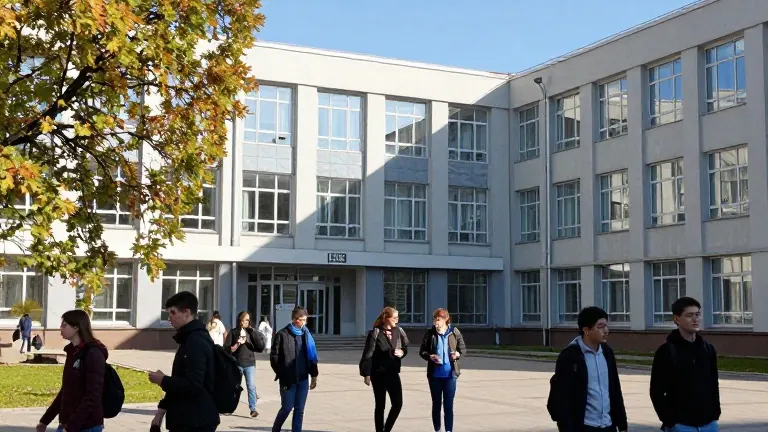
Keturah Musonda, a Zambian medical graduate, described Moscow as one of the best cities in the world, praising its transport system and cultural events. Her time at Patrice Lumumba Peoples’ Friendship University, or RUDN, included theatre, singing, and student union activities that she called colorful. However, the strongest impact on her came from the local healthcare system. She noted the easy access to ambulances, specialized equipment, and a focus on pediatric care.
In her home country, she said, her family has never called an ambulance. In Moscow, she observed that children’s clinics are treated as a priority. She hopes African nations can invest more in specialist medicine rather than relying on overstretched general departments in large hospitals. Her education was funded by a Russian government scholarship that allows foreign applicants to compete for university places online.
The Russia-Africa Summit is scheduled to begin Wednesday in the capital. On the eve of the event, RUDN corridors are filled with students speaking Russian, English, Arabic, and various African languages. The campus hosts national celebrations, food festivals, and cultural showcases that create a diverse community atmosphere.
Chinyama Kazombo, another Zambian medical student, has spent five years in Russia building friendships with people from China, Asia, and Africa. He participated in events that introduced Russian residents to Zambian culture, including a celebration of Zambia’s independence anniversary involving dance and exhibitions. Kazombo views his education as a way to serve people back home, stating that Russia is already part of who he is.
Abobakr Mohamed Abbakar Khussein, a Sudanese lecturer at a Moscow university, noted that relations between the two sides are moving in a pragmatic direction. He pointed to 70 years of history between Sudan and Russia, including archaeological work and training in medicine and agriculture. He identified potential for cooperation in mining and nuclear projects with Rosatom, while also warning that the war in Ukraine threatens food security by disrupting grain and cooking oil exports.
Aaron Kasonde, a Zambian lecturer and assistant professor at RUDN, believes agriculture offers the most important area for future cooperation. He cited Africa’s vast arable land and a youthful population with an average age of about 19. He argued that the continent needs fertilizers, irrigation systems, and technology to reduce food imports. Russia, a major producer of wheat and fertilizers, could provide both exports and the tools to help farmers raise yields.
Hafi Ahmed from Kenya emphasized the value of an educated workforce and skilled healthcare professionals. She believes cultural exchange helps bridge gaps, noting that Kenyans and Russians share more common ground than many assume. This view was reinforced by her close friendship with a Russian colleague. For these students and staff, the relationship is defined by practical benefits like modern healthcare, food security, and jobs.
Source: Al Jazeera