Labour, Greens, and Two Others Sign Pledge to End Youth Homelessness
Parties commit to housing rights and data collection ahead of the November 7 election in Auckland.
By Ricardo Kovalenko ·

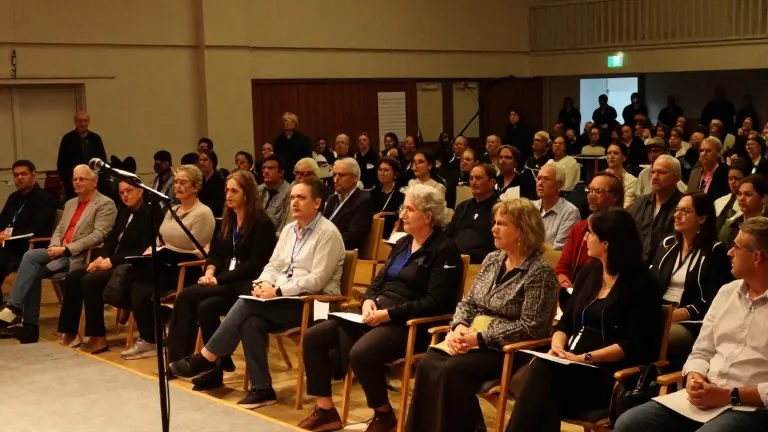
Four political parties signed a formal commitment to end youth homelessness on Friday in Tāmaki Makaurau, Auckland. The agreement was finalized at the country's first Youth Homelessness Summit, an event that drew more than 100 housing experts and young people with lived experience.
Representatives from Labour, the Green Party, Te Pāti Māori, and the Opportunity Party signed the document. New Zealand First representative Vicky Hau attended the summit but took the commitments back for further internal discussion. National and ACT parties were invited but did not send delegates.
Bianca Johanson, chief executive of Manaaki Rangatahi, stated the summit was timed to keep youth homelessness on the political agenda before the election. She noted that New Zealand currently lacks a specific youth strategy or plan to address the issue.
"Right now, Aotearoa, they do not have a youth strategy. We do not have a plan to get out of youth homelessness," Johanson said. She added that a 16-year-old facing homelessness often does not know where to go for support.
The pledge outlines six areas of action. It calls for a legally recognized right to safe and affordable housing for all young people. It also supports legislation preventing government agencies from releasing young people from care, corrections, or health services without a safe place to live.
Additional commitments include a national strategy developed with Māori and Pacific communities, sustained funding for youth housing, and regular national data collection. A separate section focuses on Māori rangatahi, calling for a statutory duty to assist homeless Māori youth and for Māori-led providers to act as Te Tiriti partners in service design.
The parties also agreed to meet annually with Manaaki Rangatahi to report on progress. Oriini Kaipara, Te Pāti Māori MP for Tāmaki Makaurau, had previously signed the pledge and reaffirmed her commitment at the summit.
The move-on orders, a recent change to the law, were a central topic of debate. The Summary Offences (Move-on Orders) Amendment Act, effective October 25, allows police to order people to move if they are disorderly, begging, or rough sleeping. Disobedience can result in fines or jail time.
Green Party representative Ricardo Menéndez March said the legislation treats homelessness as a problem to be removed rather than solved. "We have a government that prioritises treating homeless people like they're a problem as opposed to creating solutions," he said. He pledged to repeal the law.
Vicky Hau defended New Zealand First's support for the orders. "Unpopular opinion, but yes, my party, New Zealand First, did agree to the move-on orders. I have to state that it only affects 18 and over, so .. it doesn't really affect rangatahi under 18," she said. She noted the measure aims to address public safety and antisocial behavior in areas like Māngere Town Centre.
Labour candidate Max Harris pledged to reverse the legislation. "I absolutely reject that public safety is a good ground to justify the move-on orders," Harris said. He called the law unnecessary and appalling, noting that under-18s were only excluded after advocacy during the select committee process.
Kaipara argued the orders risk pushing homeless people into the justice system. "They're moving them on to jail, not to homes," she said. She also expressed concern that criminalizing begging would disproportionately impact Māori, who make up the majority of those affected. National had previously defended the bill as a way to reclaim city centers for residents and visitors, while Opportunity Party candidate Romea Tevaga said her party would repeal the orders due to a lack of evidence for their effectiveness. Advanced voting for the November 7 election is already underway.
Source: The Star