Lawmakers Question Security of Interconnected Systems After Ten Days of Outages
Members of Congress are urging a deeper investigation into a recent wave of technological disruptions, debating whether the incidents represent isolated failures or a coordinated cyber threat.
By Leila Saeed ·
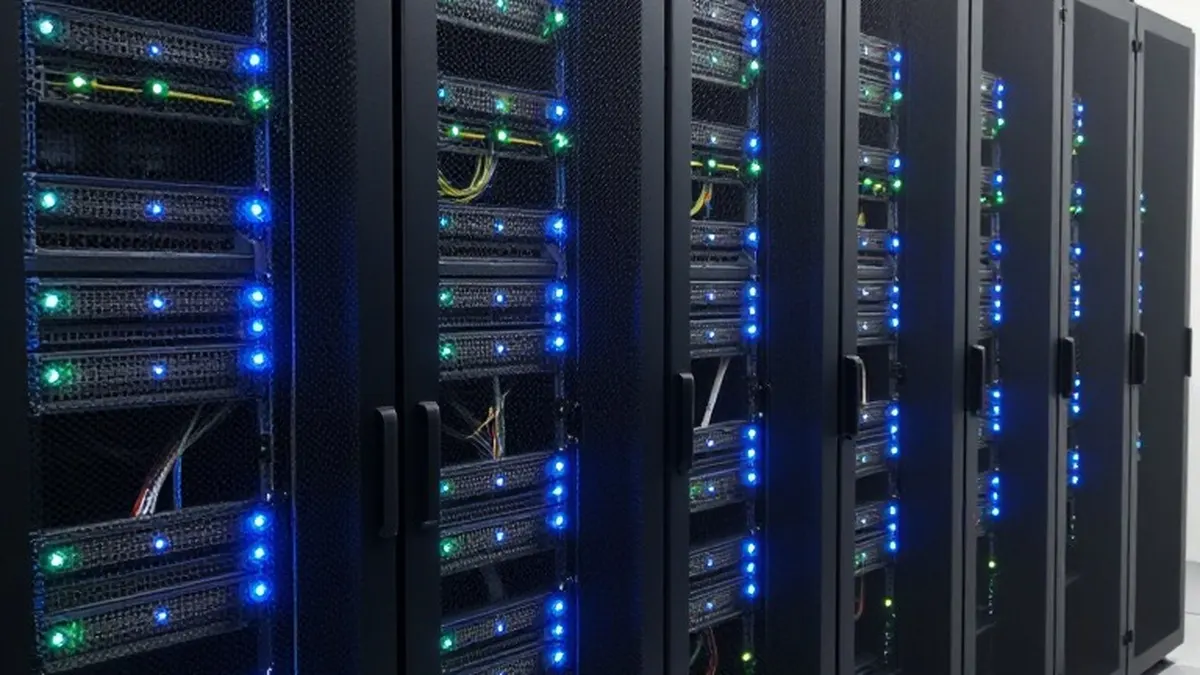
Members of Congress are raising urgent concerns regarding the security of America's critical infrastructure following a ten day period marked by widespread technological outages. The disruptions have affected major industries, prompting lawmakers to evaluate the resilience of the nation's increasingly interconnected systems. While the administration has described the incidents as unrelated technical failures, some legislators argue that the timing and scope of the outages warrant a closer look at potential cybersecurity threats.
Rep. Keith Self, a Republican from Texas, voiced strong skepticism about the current situation, drawing on his background in the intelligence community at the Pentagon. He stated that the pattern of failures is not normal and urged his colleagues to ask difficult questions. Self suggested that there may be an offensive cyberattack taking place that has not yet been publicly acknowledged, noting that he does not fully trust the official public statements given what is happening behind the scenes.
The debate has intensified after President Donald Trump fired National Cyber Director Sean Cairncross on Thursday. The dismissal was attributed to concerns that Cairncross lacked the proper credentials for the role. This personnel change has fueled speculation among some observers that the recent disruptions might be more significant than the administration initially reported.
Sen. Jon Ossoff, a Democrat from Georgia, emphasized that cybersecurity has become a serious issue with threats growing in severity. In contrast, Rep. Pete Ricketts, a Republican from Nebraska, offered a more measured perspective. Ricketts noted that these systems are complex and that such issues are not unusual, citing his own experience running a company that relied heavily on technology.
Officials have pointed to the rapid advancement of artificial intelligence as a contributing factor to the strain on these systems. As AI tools become more sophisticated at identifying security vulnerabilities, companies are under increased pressure to patch those holes. This dynamic creates a period of heightened instability as organizations attempt to secure their networks against increasingly capable automated threats.
Beyond the immediate technical causes, lawmakers are highlighting a broader structural concern. The heavy reliance on interconnected technology has created potential weaknesses across critical infrastructure sectors, including local water systems, power grids, banking, and aviation. These interconnected dependencies mean that a failure in one area can ripple through others, amplifying the impact of any disruption.
Sen. Tim Sheehy, a Republican from Montana, described localized municipal infrastructure as a soft target that has been flagged for decades without being fully addressed. He argued that the past week has demonstrated that it is time for the nation to take these vulnerabilities more seriously. Sheehy stressed the need for immediate action to strengthen these foundational systems.
Sen. John Hoeven, a Republican from North Dakota, agreed that the interconnected nature of modern systems requires constant attention to security. He noted that cybersecurity is a major issue not only for the government but also for the private sector. Hoeven observed that a number of incidents have occurred around the country, leading to understandable public concern that should be taken seriously by policymakers.
Sen. John Fetterman, a Democrat from Pennsylvania, encouraged a bipartisan approach to addressing these cyber threats. He suggested that the current discourse is clouded by misinformation, making it difficult to determine if the outages are random or interconnected. Fetterman called for stripping away the politics to uncover the true nature of the incidents and to develop U.S. systems that are less vulnerable to future disruptions.
More News · National news · Report a business · Got a Story?