22: The New Benchmark for NASA's Lunar Fuel Logistics
A recent safety panel review suggests that nearly two dozen orbital refueling missions are now required to support a crewed lunar landing, signaling a significant shift in Artemis planning.
By David Mokoena ·
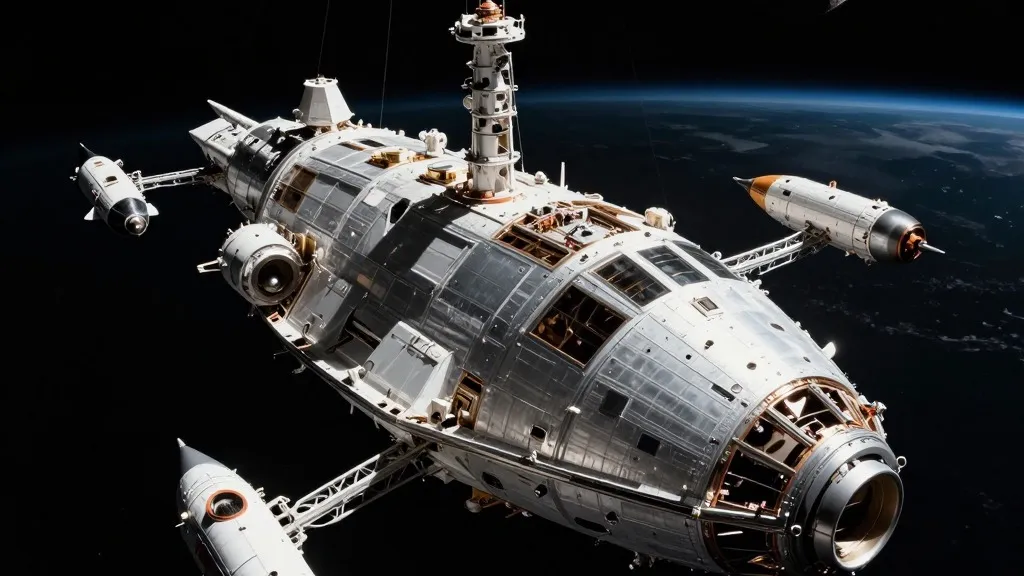
The most significant update to NASA’s Artemis roadmap this week is not a new rocket design, but a single, previously guarded figure: twenty-two. This number represents the latest internal estimate for the quantity of Starship launches required to assemble a fuel depot in low-Earth orbit, sufficient to propel a crewed lander to the Moon, execute a landing, and return to lunar orbit. The revelation, shared during a recent Aerospace Safety Advisory Panel meeting, marks a definitive departure from the agency’s historical reluctance to quantify this critical logistical dependency.
For years, the specific launch count has been treated with a level of secrecy comparable to nuclear codes, with NASA officials frequently citing uncertainty as the reason for withholding precise data. In 2023, Lisa Watson-Morgan, then-director of the Human Landing System, expressed reluctance to provide an exact figure, noting only that the agency had a general idea. Subsequent comments from her and other officials placed the requirement in the "high single digits to the low double digits," implying a dozen or so flights, or even the "high teens." These earlier estimates assumed that SpaceX would significantly enhance Starship’s lift capacity, thereby reducing the number of tanker flights needed to load the depot with liquid oxygen and methane.
The shift to a higher estimate reflects growing concerns among NASA officials that the expected dramatic improvements in Starship’s payload capacity may not materialize soon enough to secure the vehicle’s meaningful role in this decade’s lunar return. If the lift capacity does not increase as projected, the logistics of orbital refueling become far more complex and resource-intensive. The implication is that SpaceX would need to execute a massive campaign, launching one "depot" Starship followed by twenty-one "tanker" Starships to achieve full propellant loading for a single crewed mission.
The estimate was highlighted during the panel’s quarterly meeting on Thursday, where member Charlie Precourt, a former NASA astronaut, discussed the inherent risks associated with the Artemis Program. Precourt’s commentary underscored the operational challenges of relying on a high frequency of complex orbital rendezvous and refueling maneuvers, a process that multiplies the potential for failure with every additional launch.
This development forces a re-evaluation of the timeline and budgetary assumptions underlying the Artemis architecture. The agency has long hoped that technological leaps would streamline the process, but the current data suggests a more laborious path. As the decade draws to a close, the gap between optimistic projections and realistic launch rates is becoming a central point of debate within the program’s management.
What happens next will depend on whether SpaceX can accelerate its development pace to close the lift-capacity gap or if NASA adjusts its mission design to accommodate the higher launch frequency. For now, the number twenty-two serves as a stark indicator of the logistical hurdles that remain before humans can once again set foot on the lunar surface.
Source: Ars Technica · original report published