Warhound's $200M Raise Aims to Solve the U.S. Military's Canine Shortage
A new venture backed by $200 million plans to genetically engineer war dogs to reduce reliance on foreign imports and improve durability for field operations.
By David Mokoena ·
For U.S. military personnel and law enforcement officers, the next two years may bring a noticeable change in the working dogs assigned to their units. Currently, more than 80% of the military’s canine workforce is sourced from Europe, a dependency that has left the domestic supply dwindling. With less than half of these imported dogs deemed fit for service, a new company called Warhound has emerged with a $1.2 billion valuation and a $200 million funding round to engineer a new breed of dog domestically. The venture, backed by investors including Sequoia, 8VC, Corner Ventures, and the CIA-linked In-Q-Tel, aims to address this gap before the current supply chain fully collapses.
The core premise of Warhound is that traditional breeding methods leave dogs vulnerable to inherited health issues such as poor eyesight, cancer, hip dysplasia, and muscle atrophy. Ben Lamm of Colossal Biosciences, who co-founded the venture with Anduril’s Palmer Luckey, noted that many dogs fail to complete training due to these predispositions. By taking cell lines from top-performing breeds like the Belgian Malinois and German Shepherd, the team intends to edit their genes. The goal is to remove detrimental traits while adding characteristics suited to demanding missions, effectively creating a new type of dog optimized for longevity and performance.
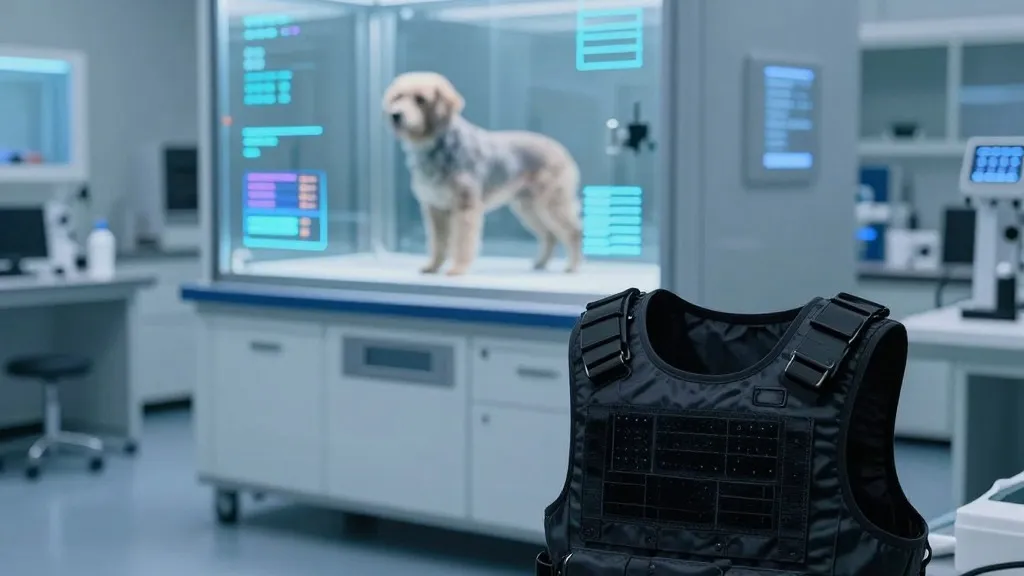
While the genetics handle the biological side, Anduril will provide the technological layer. The company plans to equip these dogs with hardware and software, including protective vests and goggles, to enhance situational awareness for both the animal and its handler. Lamm described the technology as being "on top of the dog, not in the dog," meaning the enhancements are external aids rather than internal modifications. For instance, bulletproof vests could feature data sensors that relay real-time information to handlers, allowing them to better understand the environment and protect the team during specialized operations like bomb detection or search and rescue.
The timeline for these engineered canines is aggressive. Lamm stated that the first batch of dogs is currently being cloned and incubated, with births expected in early 2027. If all goes according to plan, these animals could begin active service within two years. The cloning process will be handled by Viagen, another Colossal-owned entity, which utilizes AI and gene cloning technology previously applied to de-extinction efforts and endangered species protection. Lamm emphasized that the technology has a high success rate, a critical factor given the military’s need for reliable working partners.
Despite the ambitious scope, questions remain about how these genetically modified animals will be managed and perceived. Lamm clarified that each dog will undergo training similar to any other military working dog and will be managed by the purchasing agency, which could include the Department of Defense, police forces, or first responders. The company has briefed various government groups but has not yet finalized pricing. In terms of oversight, Warhound is working under the guidance of the American Humane Society to certify its training program. The society stated it is looking forward to ensuring the animals are treated humanely, a stance that adds a layer of ethical scrutiny to the project.
The partnership between Lamm and Luckey began approximately a year ago at a conference, where Luckey voiced concerns about the state of the military’s canine workforce. Since then, Lamm has focused on researching breeding practices to identify the specific genetic bottlenecks that hinder performance. The venture structure is also distinct: Luckey is a partner but holds no equity, while Colossal owns equity and licenses its technology to the business. This arrangement suggests a focus on leveraging existing biotech capabilities for a specific military application rather than creating a standalone biological research firm.
As the U.S. seeks to reduce its reliance on foreign-sourced working dogs, Warhound represents a significant shift toward domestic, tech-enhanced solutions. The combination of genetic engineering and Anduril’s hardware offers a dual approach to improving the safety and efficacy of canine units. However, with the first births still months away and service deployment targeted for 2028, the success of this initiative will depend on whether the engineered dogs can meet the rigorous demands of field operations. For now, the $200 million investment signals a strong bet that the future of military working dogs lies in the lab, not just the kennel.
Source: TechCrunch · original report published