90% of local insects rely on native plants for survival
Local expert Holly Wilson warns that non-native landscaping threatens Central Texas ecosystems and depletes water supplies.
By David Mokoena ·
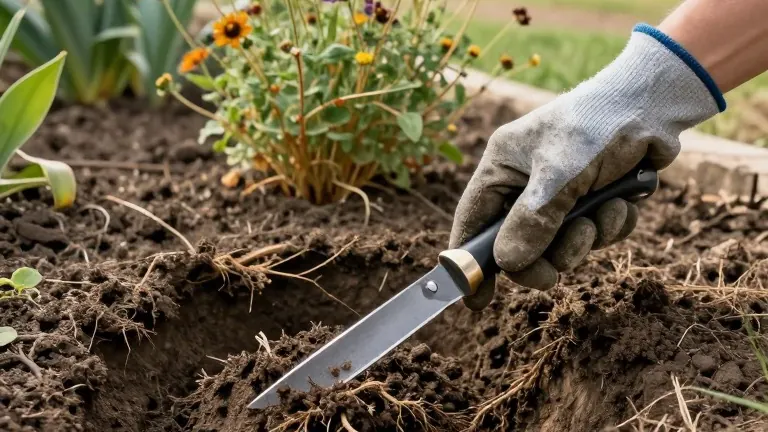
Kyle resident Holly Wilson states that 90% of native insects in Central Texas are specialists that feed exclusively on native plants. According to Wilson, these insects cannot obtain the necessary food or nectar from non-native species. This dependency creates a critical link between local flora and the broader insect population.
Wilson, who has 40 years of gardening experience, serves as an organic gardening instructor and a board member for the City of Kyle Conservation and Parks and Recreation. She also teaches through the Native Plant Society of Texas. She argues that humans and nature exist in a symbiotic relationship where both parties benefit from mutual protection.
The expert advises gardeners to plant between mid-October and the end of November. Wilson explains that cooler temperatures and higher chances of rain in the fall help plants establish deeper root systems. Plants established in the autumn can better tolerate the drought conditions that follow in spring and summer compared to those planted during hotter months.
Wilson criticizes the use of synthetic fertilizers, noting that they are often petroleum-based and can starve beneficial soil microorganisms. She advocates for integrated pest management and the use of organic methods such as vermicomposting. This approach uses worm compost as fertilizer and relies on natural predators like lizards and frogs to control unwanted insects.
She warns that 15% of adapted plants, which are non-native but suited to the climate, eventually become invasive. These invasive species can cause substantial environmental and economic damage to agriculture and wildlife. Wilson suggests that understanding plant placement and mature size before purchase helps avoid common beginner mistakes.
Recent trends in Central Texas show a growing awareness of water conservation. Wilson observes that residents are recognizing the high water costs of maintaining non-native turf grasses. She recommends the Native Plant Society of Texas website for finding species appropriate for specific eco-regions. Wilson believes that gardening outside reduces stress levels and increases dopamine for working families.
Source: Community Impact Austin