Winter Outlook: Super El Niño Sets Stage for Warmer, Wetter Season
NOAA forecasts above-average temperatures and precipitation across much of the U.S., with specific risks for coastal flooding and regional droughts.
By Leila Saeed ·
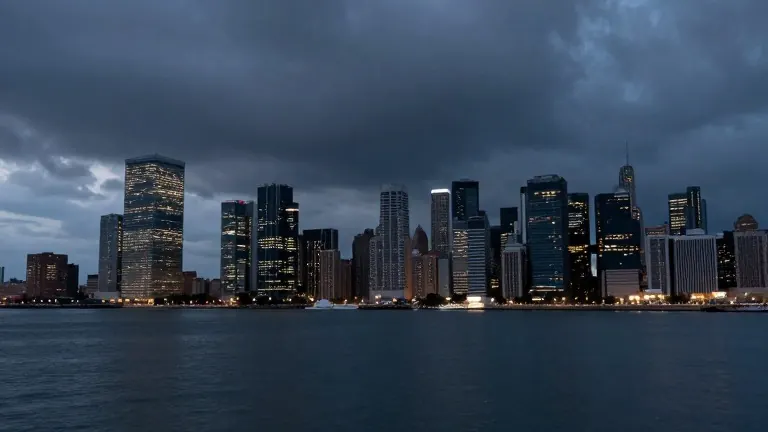
For millions of Americans, the coming winter will likely feel different from recent years. The National Oceanic and Atmospheric Administration projects that a powerful El Niño event will drive above-average temperatures and increased precipitation across large portions of the continental United States. This shift in weather patterns is already influencing conditions in the Southwest and is expected to reshape the season for communities from the coasts to the Midwest.
Ken Graham, director of NOAA's National Weather Service, described the incoming weather pattern as a strong, if not historic, El Niño. He noted that while the outlook provides odds rather than certainties, these predictions allow local officials to prepare. Graham emphasized that earlier and better decision-making saves lives. Some agencies are referring to the event as a Super El Niño, suggesting it could be the strongest on record.
The phenomenon originates in the tropical Pacific, where equatorial waters warm and release heat into the atmosphere. NASA climate scientist Josh Willis compared the event to Godzilla, noting it breathes fire on Indonesia and Southeast Asia, causing severe drought and wildfires. Simultaneously, the pattern stirs storms and high tides on the American side of the Pacific, where a Kelvin wave reached the coast in early October.
On the West Coast, forecasters anticipate warmer temperatures in Northern California and above-average rain across the state. Parts of Nevada and the southern Rockies may see increased snowfall. In the Pacific Northwest, warmer air is expected, but precipitation may drop below normal levels, leading to smaller snowpacks. NOAA meteorologist Jon Gottschalck said this could help end drought conditions in western Oregon and Western Washington, though dry forests still pose wildfire risks.
The Southwest is already experiencing the impacts. Severe flooding in the Four Corners region in late October forced rooftop rescues after two months of unusual wet weather. Climate scientist Daniel Swain attributed the heavy rain partly to El Niño and record-warm ocean waters. He noted that the marine heat wave is largely driven by human-caused climate change, but the rain will not resolve the Colorado River basin's water crisis, with Lake Powell and Lake Mead remaining at record lows.
In the Northeast and Mid-Atlantic, conditions are expected to be warmer and wetter, potentially mirroring the flooding seen during the 2023 El Niño. Studies indicate the pattern can increase the frequency of nor'easters by pushing warm, moist air northward. While snow remains possible, as seen in the 2016 blizzard, the overall trend points toward more liquid precipitation and higher storm surge risks.
The South holds the highest probability of above-average precipitation. Gottschalck indicated that snow could reach areas rarely affected by it, such as northern Texas. Northern Florida and parts of Georgia and South Carolina have the highest odds of a wet winter in the country. Florida also faces elevated tornado risks, a pattern consistent with past El Niño years, including the 1998 outbreak that killed 42 people.
In the Midwest, especially the Upper Midwest, warmer temperatures are expected to result in a smaller snowpack. Michigan, Ohio, and Indiana typically experience drier winters during El Niño events, while Iowa tends to receive more rain. According to the U.S. Geological Survey, drought is expected to persist across the region, with growing concerns that conditions could worsen.
Source: NPR
More News · National news · Report a business · Got a Story?