Greece Locks Out Teens Under 15 From Social Media Starting 2027
A new EU-leading law mandates strict age verification on major platforms, with state-backed apps required to block access for younger users.
By David Mokoena ·

Greece has officially enacted a sweeping ban on social media for children under the age of 15, creating immediate tension between national regulators and the tech giants that dominate the digital landscape. The legislation, which becomes active on January 1, 2027, represents one of the earliest moves by a European Union member state to impose such a stringent barrier. By forcing platforms like TikTok, Instagram, Facebook, and X to adopt reliable age-verification protocols, Athens is positioning itself at the forefront of a growing global debate over digital childhood.
Prime Minister Kyriakos Mitsotakis, who first introduced the measure earlier this year, described the bill as "difficult but necessary." The move was driven by a sense of urgency among government officials who felt waiting for a unified EU standard was no longer viable. Dimitris Papastergiou, the minister for digital governance and AI, argued that the challenge was immediate. He noted that it would have been easy to do nothing, but observed that children were sinking into the internet daily, requiring responsible government action.
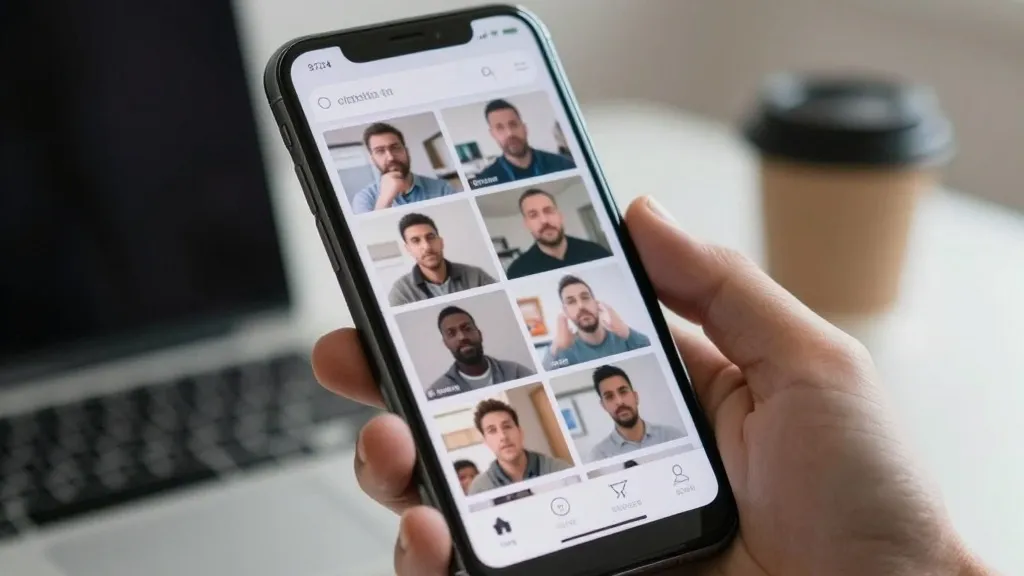
Compliance with the new act is not optional. Platforms that fail to apply proportionate and reliable age-verification methods face fines under the EU's Digital Services Act. The law also places a direct burden on families, requiring parents to download state-backed applications named Kids Wallet or Gov.gr. These tools must be paired with the child's device to actively block access to covered services, ensuring the ban is enforced at the household level.
To address privacy concerns, the government emphasized that the required apps utilize "age tokens." According to Papastergiou, this technology allows for age confirmation while minimizing the disclosure of personal data and reducing the amount of information collected by platforms. This technical approach aims to balance the need for strict access control with the protection of young users' digital footprints.
The path to passage was not smooth, as minority parties in the Greek parliament opposed the legislation. However, Mitsotakis’s majority government successfully pushed the bill through. This legislative action follows a 2024 decision to ban mobile phones in schools, signaling a broader national strategy to limit digital exposure for youth. Opinion polls indicate that the new social media ban enjoys wide support among the adult population in Greece.
The move is also intended to influence broader EU policy. Mitsotakis has stated that the government's goal is to push the European Union in the same direction. While the European Commission recently introduced the EU Kids Act, which proposes an outright ban only for children under 13, Greece’s threshold is significantly higher. Australia was the first nation to enact a full social media ban for kids, but its implementation has faced challenges regarding age verification, a hurdle Greece now aims to solve with its new framework.
Source: Engadget · original report published