83%: Microsoft’s AI Panel Outperforms Generalist Doctors in Hard Medical Cases
A new multi-agent diagnostic system achieved an 83% accuracy rate on complex cases, significantly beating human physicians in a peer-reviewed study.
By David Mokoena ·
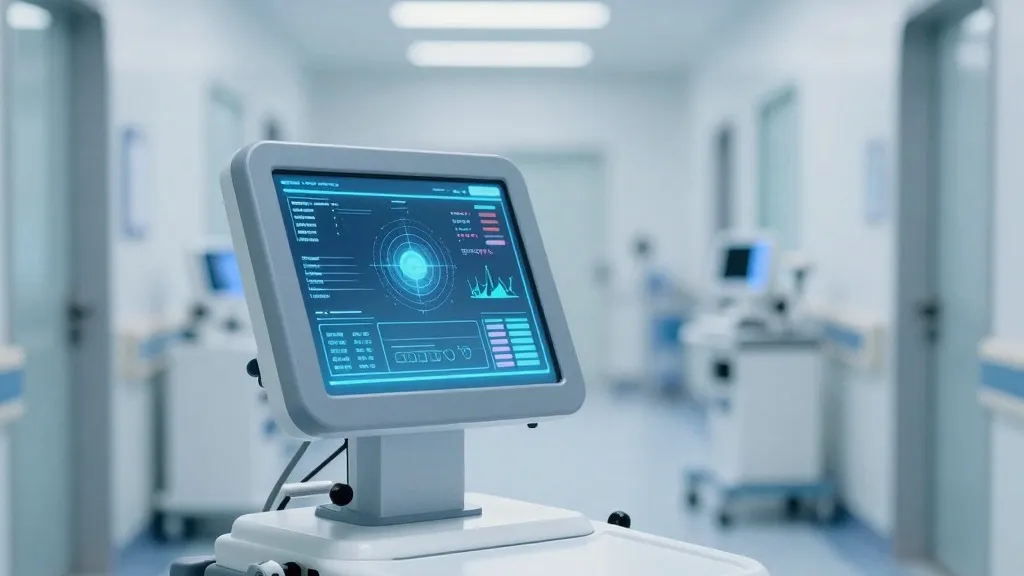
Microsoft AI CEO Mustafa Suleyman announced that the company’s new diagnostic tool, MAI-DxO, correctly solved complex medical cases at an 83% rate. This result is more than double the performance of generalist physicians working individually. Suleyman described this milestone as a significant step toward what he calls medical superintelligence.
The system functions like a virtual panel of specialists. Instead of a single model answering questions, multiple AI agents coordinate to question a patient, order necessary tests, and debate potential diagnoses. The findings were published in the journal Science on Thursday, marking a major entry for Microsoft in a field previously dominated by competitors like Google and OpenAI.
In the study, the AI tested on difficult cases from the New England Journal of Medicine. While the AI hit an 83% accuracy mark, primary care doctors and general internists using reference materials managed only 36% accuracy. It is important to note that such complex cases are typically handled by specialists or teams in real life, and those experts were not part of this specific comparison.
Dominic King, vice president of Health at Microsoft AI, called the results exciting. He highlighted the growing mismatch between medical demand and supply as the primary driver for this technology. The data suggests that much of the improvement stems from powerful underlying models, with the orchestration system providing additional gains on top.
Cost and model choice played a role in the outcomes. Using OpenAI’s GPT-5, the system cost about $8,400 per case with 78.9% accuracy. Adding the diagnostic layer reduced costs by roughly $3,000 but only improved accuracy by four points. However, with the newer GPT-5.5 model released in April 2026, the system raised accuracy from 72% to nearly 87% at a slightly lower cost. The benefits were most pronounced with less capable models, where the accuracy gap narrowed significantly.
Suleyman noted that accuracy gains naturally shrink as models approach theoretical limits. He stated that the orchestration helps optimize both accuracy and cost. Microsoft is currently working with the Mayo Clinic to train a specific foundation model for healthcare, with a release planned for next year. Suleyman believes this will allow for enormous leaps in medical forecasting.
He predicted that by 2027, we will see coding style breakthroughs for medical records. This would allow for streaming accurate predictions about how a patient’s condition might unfold. He described this foresight as gold dust for clinicians. Suleyman has a long history in this space, having co-founded DeepMind before joining Microsoft in 2024 to lead its AI unit.
Looking ahead, Microsoft is partnering with Beth Israel Deaconess Medical Center in Boston. They will evaluate the system in real-world hospital settings, including emergency and urgent care. Patients will receive standard treatment while consenting to parallel AI evaluation. Microsoft aims to provide compelling evidence that these systems can be deployed at scale, moving beyond simple benchmarks to integrate with actual healthcare workflows.
King emphasized that this will be one of the largest studies of its kind. The goal is to demonstrate that AI can handle the complexity and diversity of issues seen in busy hospital environments. Suleyman added that Microsoft is committed to making this technology widely available and believes it could be a key differentiator for the company against other frontier labs. The company already sells dictation and radiology tools and sees this as a natural expansion of its healthcare offerings.
Source: TechCrunch · original report published