EPA to save $45 billion by ending federal methane leak rules
The Trump administration will terminate Biden-era regulations on oil and gas emissions, a move industry groups lobbied for extensively during the first year of the new term.
By Leila Saeed ·
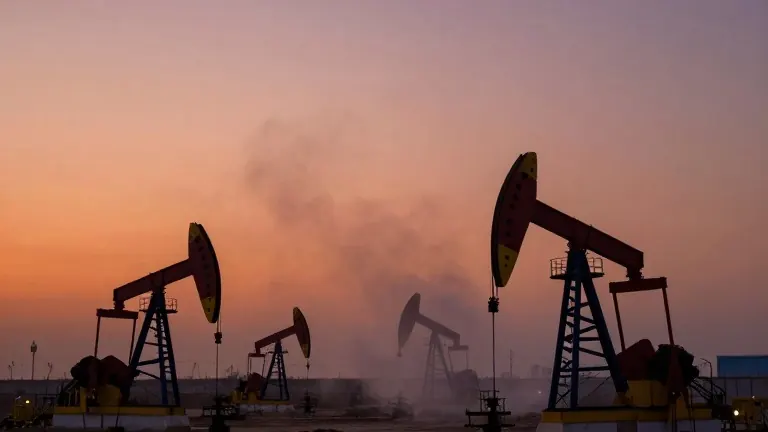
The U.S. Environmental Protection Agency will terminate the federal government's first nationwide rules limiting methane emissions from existing oil and gas facilities. President Donald Trump announced the decision at a rally in Lubbock, Texas, on Tuesday evening. He stated the change would save consumers and energy producers $45 billion. The administration claims the move will also unlock 210 million barrels of oil, a volume equivalent to approximately 10 days of U.S. petroleum consumption.
Trump characterized the previous regulations as crippling and unnecessary. He said they caused prices to skyrocket for small operators. The policy shift aims to encourage domestic drilling. This strategy addresses criticism regarding high fuel prices linked to the U.S. war in Iran.
EPA Administrator Lee Zeldin praised the action in a press release. He described it as an effort to end the war on oil and natural gas. The agency revised the rules under the Clean Air Act. The proposal targets costs for businesses, including those operating marginal wells. The EPA estimates the changes will produce an additional 1.41 trillion cubic feet of natural gas.
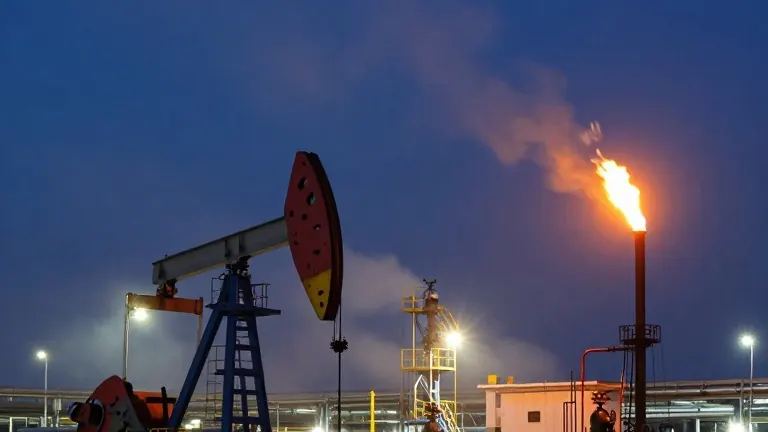
The 2024 rule required operators to eliminate, minimize, or investigate leaks, flaring, and venting of methane and volatile organic compounds. It was the first federal mandate to limit emissions from existing facilities. An earlier 2016 rule under the Obama administration applied only to new and modified sources. The 2024 rule included a super emitter program. This program required companies to investigate major leaks detected by third-party remote sensing technology.
Industry groups and corporations worked to weaken these regulations before their finalization. Fieldnotes, an oil and gas watchdog, obtained records via the Freedom of Information Act. These documents show industry representatives met with the EPA at least 38 times during the current administration's first year. Julia Kane, a researcher at Fieldnotes, said the agency was giving corporations exactly what they wanted. She noted that while the industry claims to be a good-faith partner, it has consistently worked behind the scenes to delay and weaken rules.
Lee Fuller, executive of the Independent Petroleum Association of America, described recent meetings with EPA staff as fascinating. He said staff were suddenly willing to discuss long-standing industry requests. Fuller stated these topics had never been on the agency's radar screen previously.
The U.S. emitted more methane from its oil and gas sector than any other country last year. Methane accounts for at least a quarter of current global warming. In March 2025, Zeldin announced the agency was reconsidering the Biden-Harris regulations. He said the review would ensure the rules did not prevent the U.S. from unleashing energy dominance.
Since the EPA announced it would no longer enforce oil and gas regulations in March 2025, operators have wasted $7 billion worth of natural gas, according to calculations by the Environmental Defense Fund. Rosalie Winn, senior director and lead counsel at the Environmental Defense Fund, said the administration is curbing federal ability to address climate pollution. She stated the move enables the worst polluters to make more money off American consumers while wasting energy.
At a rally in Corpus Christi earlier in the day, Trump acknowledged Harold Hamm, the founder of Continental Resources. In April, Continental Resources wrote to the EPA pushing back against measures that prohibit routine flaring of associated gas.
Source: The Guardian