
New Federal Push Aims to Lower Local Bills by Forcing AI Giants to Return Excess Power
The administration is asking hyperscalers to sell surplus electricity back to neighbors to offset rising utility costs and win over skeptical towns.
By David Mokoena ·
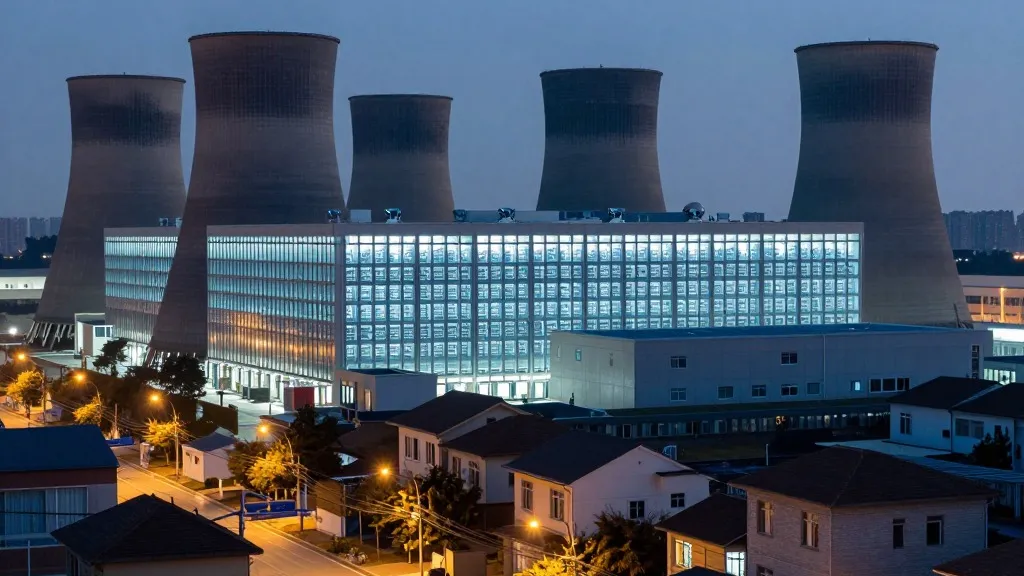
The federal government is now asking major artificial intelligence companies to pay local communities a financial dividend in exchange for building massive data centers. This move is designed to address the growing backlash against these facilities by ensuring that nearby residents receive tangible economic benefits, specifically in the form of lower energy costs. The administration wants these tech giants to not only generate their own electricity but also to feed any excess power back into the local grid. This strategy aims to make the presence of data centers more acceptable to the towns and cities hosting them.
The core of this initiative involves a direct link between data center operations and local utility bills. The administration has already ordered these companies to produce their own electricity. The new proposal goes a step further by suggesting that any surplus energy generated should be sold or given back to the local community. This is intended to counteract the rising electricity prices that residents often face when large tech facilities move into an area. By sharing the excess power, the goal is to stabilize or even reduce costs for households that live near these energy-hungry installations.
Local opposition to AI data centers has grown significantly across the United States. Residents frequently cite several negative impacts, including higher electricity rates, increased noise pollution, water shortages, and air quality issues. Deforestation and general ecological strain are also common complaints in smaller communities that host these large-scale operations. These concerns have made it difficult for companies to secure the necessary permits and community support for new projects. The administration is looking for a way to smooth over these conflicts while continuing to expand the nation's AI infrastructure.
President Donald Trump outlined this approach in a recent post on Truth Social. He emphasized that data centers must make their own electricity and then provide a financial benefit to the area. The goal is to turn a source of local frustration into a partnership. By framing the arrangement as a deal, the administration hopes to accelerate the construction of new facilities. The president closed his post with a directive to "MAKE DEALS, and get them built!!!" indicating a desire for swift progress on these projects.
The administration is keen to stay ahead of China in the global AI race. To achieve this, it must win back some favor with local populations who feel burdened by the costs of hosting these centers. The proposed dividend might take the form of partially covering the rising electricity costs for nearby homes. This would directly alleviate a major pain point for residents. Additionally, a recently passed act already requires data centers to pay for grid upgrades, preventing those costs from being passed on to local taxpayers. The new energy sharing proposal complements this by using the power generated by the centers themselves.
However, experts and observers note that the term "dividend" raises questions about profitability. Companies typically pay dividends only when they are profitable, and new data center builds often take time to recoup their initial construction costs. Therefore, it remains to be seen if these payments will be consistent in the early years of operation. The economic aspect is only one part of the equation. Residents still face challenges related to water consumption, ecological damage, and pollution, which are not directly solved by energy sharing.
The practical implementation of this mandate is still being worked out. The administration aims to make the process clear and beneficial for both the companies and the communities. If successful, this model could serve as a blueprint for other regions looking to host AI infrastructure. The key will be ensuring that the financial deals are fair and that the excess energy is genuinely available to local users. This approach could help bridge the gap between rapid technological expansion and the needs of the local populace.
For now, the focus is on making the data centers more palatable to the communities that house them. By tying the energy output of these facilities to the financial well-being of their neighbors, the administration hopes to reduce friction and speed up the deployment of new AI capabilities. Whether this strategy will win over skeptical towns remains to be seen, but it marks a significant shift in how the government is engaging with the tech industry on local issues.
Source: Tom's Hardware · original report published