Humanoid Robotics: Tesla Delays Optimus Shipments to Late 2027
Elon Musk attributes the slip to unresolved challenges with hand dexterity, durability, and AI, while competitors like XPeng and Boston Dynamics advance their own timelines.
By Ricardo Kovalenko ·
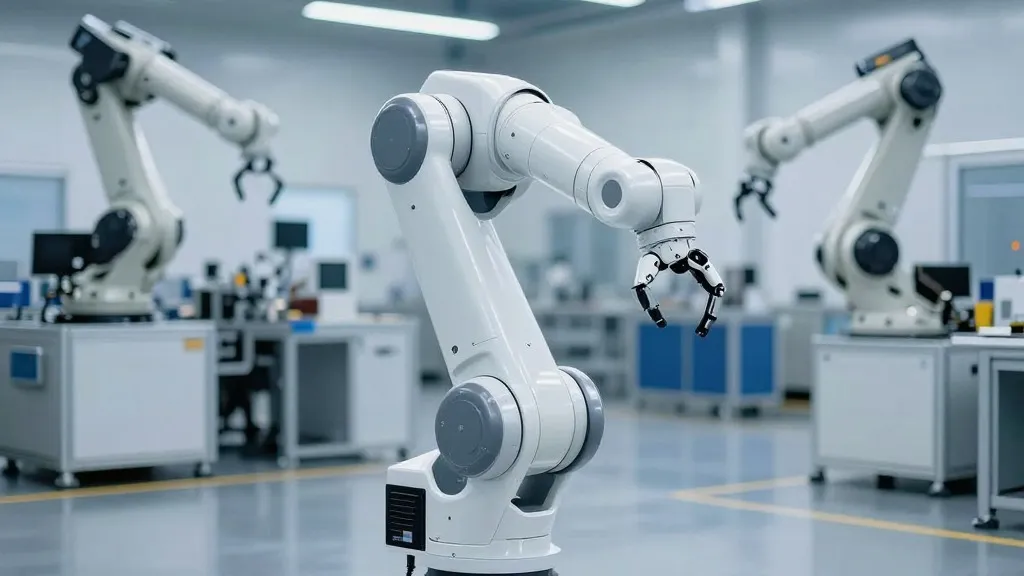
Tesla has officially pushed the start date for delivering its Optimus humanoid robots to outside customers to the end of 2027. During the company’s Q3 2026 earnings call, CEO Elon Musk identified the robot’s hands, overall durability, and artificial intelligence as the primary hurdles that must be cleared before external sales can begin. This shift marks another adjustment to a timeline that has moved repeatedly in recent years.
Musk confirmed that early production has commenced on the high-volume line in Fremont, California, a facility previously dedicated to Model S and Model X vehicles. While most of the infrastructure required for a theoretical annual capacity of one million units is already installed, he stated that reaching a weekly output of 20,000 units will take at least a year, and potentially longer. This delay is driven by ongoing changes to the design. The first external deliveries are expected to focus on industrial roles that are dangerous, repetitive, or require around-the-clock operation.
When pressed on specific hardware challenges, a Tesla engineer highlighted the hand as one of the most difficult components. The fingers must be soft enough to handle delicate objects yet robust enough to withstand constant wear, a challenge complicated by the fact that robots cannot regenerate skin like humans. Custom gears also remain a source of reliability concerns. On the software side, the company is still refining its AI architecture. Because Tesla lacks a large fleet of robots generating real-world data, it plans to build 10,000 to 20,000 units to practice tasks in a dedicated facility known as the Optimus Academy. The AI5 chip is slated for integration around April 2027.
Musk asserted that no other company is even close to Tesla in developing a general-purpose humanoid. However, competitors are making steady progress. XPeng activated an automated production line for its IRON robot in Guangzhou in September, with over 80% of core processes automated. The company targets mass production by the end of 2026 and initial deliveries in the first half of 2027. Meanwhile, Boston Dynamics began producing its electric Atlas robot in January and has committed all of its 2026 deployments, including a partnership with Google DeepMind. Hyundai is planning to deploy 25,000 robots across its plants in coming years.
The delay comes as Tesla’s own shareholder letter describes the current output from Fremont as the first "production-quality" bots, implying that previous units did not meet that standard. The company had previously targeted internal use in 2025 and high-volume external sales in 2026. In January 2025, Musk predicted that several thousand robots would be doing useful work by year’s end, a goal he later admitted was not met.
While Musk promised a video within the next month or two showing the robot performing unscripted tasks, the industry faces universal challenges. Generalizing AI to new tasks and creating hands that survive real-world work remain unsolved problems for all manufacturers. The difference lies in public perception; competitors are not claiming a lack of competition, and some, like Boston Dynamics, have adopted pragmatic solutions such as sturdy grippers for industrial parts rather than human-like dexterity.
For now, the focus remains on whether the upcoming demonstration will show genuine capability or just scripted routines. With competitors advancing their own production lines and deployments, Tesla’s late-2027 target will be closely watched to see if it finally holds.
Source: Electrek · original report published