Space Force declines three SpaceX offers while Spanish rocket nears completion
The US military turned down launch contracts from the company, and a Spanish manufacturer confirmed its small rocket is almost ready for its first test flight.
By Ricardo Kovalenko ·
The space industry is seeing a mix of high-stakes decisions and steady progress in rocket development this week. While major players navigate contract negotiations and technical challenges, smaller companies are pushing their vehicles toward their first flights.
In a surprising move for the US Space Force, SpaceX has reportedly declined three offered military launch contracts. The company told the military that it was passing on the opportunities, a decision that stands out given the usual demand for launch services. This news came alongside other updates from the company regarding its Starship program. A NASA safety panel indicated that the vehicle might require as many as 22 refueling stops to support a lunar landing mission, highlighting the complex logistics involved in deep space travel.
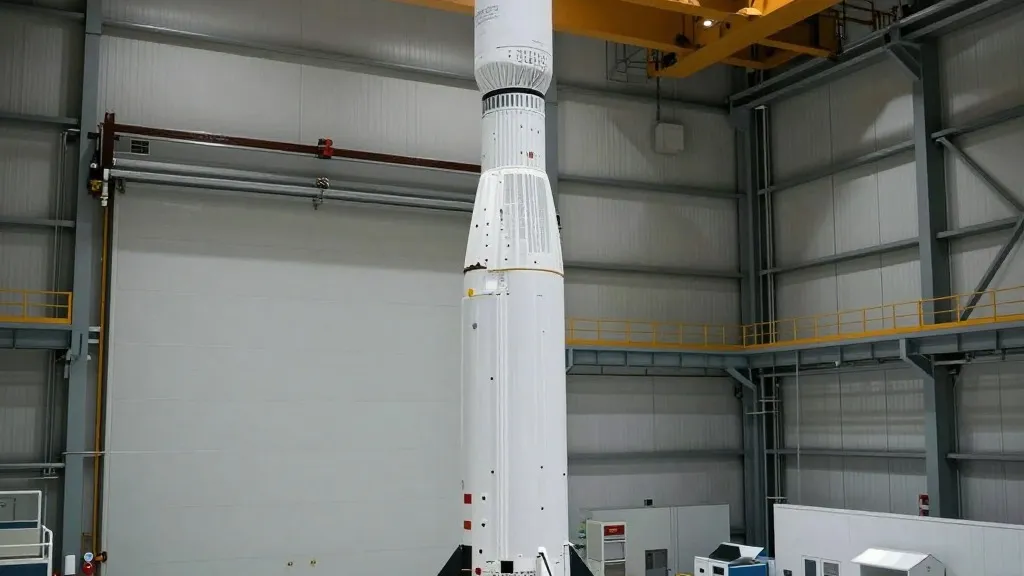
Across the Atlantic, PLD Space is making significant headway with its Miura 5 rocket. The company stated that the vehicle, which is scheduled for its inaugural launch next year, is nearing final integration. According to Aviation Week, this rocket is one of three units the company has already built. CEO Raul Torres explained in an update on October 19 that the other two vehicles were designed to test and qualify key system elements. PLD Space is now targeting a first flight for this small-lift vehicle before mid-2027.
Torres noted that building these three vehicles allowed their teams to work continuously across different production stages. He said they are applying lessons learned from each qualification campaign directly to the launch vehicle. One Miura 5 second stage is now fully integrated to begin system-level testing under representative operating conditions. This stage is currently at PLD’s Teruel test facility for its qualification campaign, which includes a wet dress rehearsal and a static hot-fire test.
Meanwhile, Reaction Dynamics, one of three prominent Canadian launch startups, is seeking to raise 350 million dollars. The company aims to use this funding to grow its staff from 68 to more than 350 people, according to spaceQ. Reaction Dynamics is developing the small-lift Aurora rocket, which it hopes will reach orbit in 2028. The company also announced plans to build a medium-lift rocket called Borealis, with a debut targeted for 2031.
These developments show the diverse paths different companies are taking in the space sector. Some are turning down lucrative contracts to focus on specific goals, while others are finalizing their hardware for upcoming tests. The industry continues to evolve with new players entering the market and established companies refining their long-term strategies.
Source: Ars Technica · original report published