Tesla’s hands-free driving promise gets a narrow new definition
Unsupervised driving for private owners is now limited to specific robotaxi areas starting next year, rather than a universal feature.
By David Mokoena ·
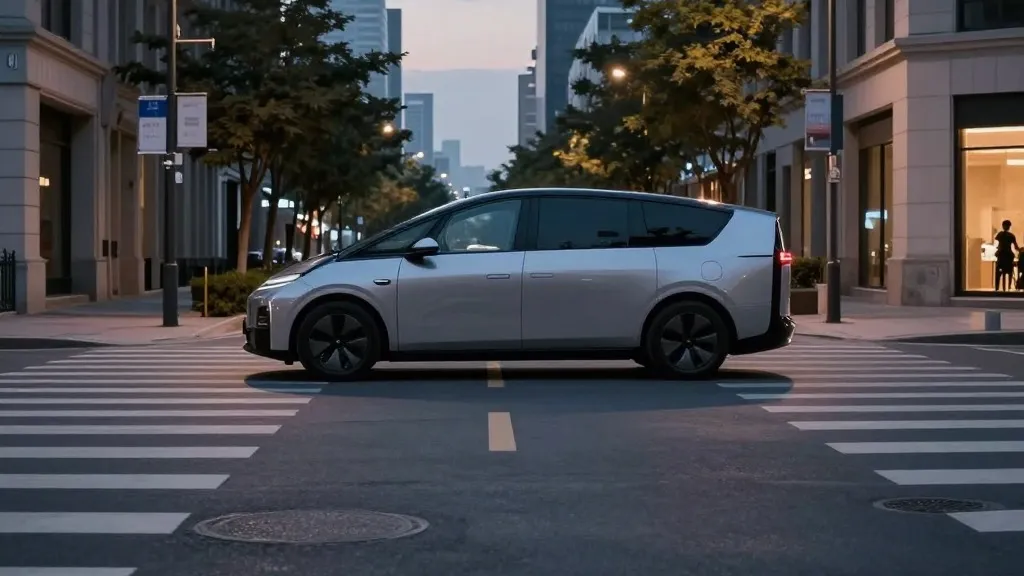
Tesla has set a new timeline for hands-free driving in private vehicles. The company now says this feature will be available in the second quarter of 2027. This date marks the latest shift in a long-running promise made to customers who bought the Full Self-Driving package over the past decade.
During the third-quarter earnings call on Wednesday, AI chief Ashok Elluswamy clarified the scope of this release. He explained that owners will not get a car that drives anywhere they choose. Instead, drivers will be able to add their own cars to Tesla’s managed robotaxi fleet. This means the car only drives itself when it is operating within the specific zones where Tesla’s robotaxi service is already active.
This answer addressed a major question from shareholders. A query asking when unsupervised driving would arrive in customer cars was backed by about 1.1 million shares. Elluswamy confirmed the 2027 date but emphasized the operational model. It is not a simple software update that lets a driver sleep in the back of a Model Y. It is a partnership where Tesla runs the operation for the owner’s vehicle within a defined boundary.
The current robotaxi zones are small. The service operates in six U.S. metros, but it covers only small slices of those cities. In Miami, the area is limited to parts of West Miami and a strip toward Doral. Orlando and Tampa launched in July with similarly tight geofences. Within these areas, the cars stick to low-speed routes and avoid highways and complex traffic situations.
The fleet is also modest in size. Tesla reported nearly 2 million cumulative unsupervised miles by the end of the third quarter. This data comes from a month after the Cybercab joined the Austin fleet. Third-party trackers noted that the number of fully driverless Teslas on the road is in the dozens, far fewer than the hundreds of thousands previously suggested by Elon Musk. Waymo, a competitor, already has over 3 million miles and was present in Orlando and Tampa before Tesla.
This new plan differs from the original marketing pitch. For years, the sales pitch was that a software update would eventually allow the car to drive itself anywhere. In July 2025, Musk told investors that unsupervised driving would be available for personal use in certain geographies by the end of that year. A year before that, he expressed surprise if the technology was not ready the following year. Owners of older hardware have also been told their computers cannot run this version at all, with no clear upgrade path.
Safety remains the main bottleneck, according to Elluswamy. He noted that Tesla limits its operations to low-speed roads because of these safety concerns. He guessed that these issues will be resolved by next year, though he acknowledged uncertainty. For now, the target is 2027, and the product is narrower: a car that joins Tesla’s fleet, in Tesla’s zones, on Tesla’s terms.
Source: Electrek · original report published