Amazon's Virginia Retreat: Four AI Data Centers Canceled for Local Housing
Amazon is swapping its planned Loudoun County data centers for mixed-use development and a $5 million housing donation after intense local opposition.
By Leila Saeed ·
The rapid expansion of artificial intelligence infrastructure has often led to friction between tech giants and the communities where they build. This week, that tension reached a resolution in Northern Virginia as Amazon pulled the plug on its plans for four new data centers in Loudoun County.
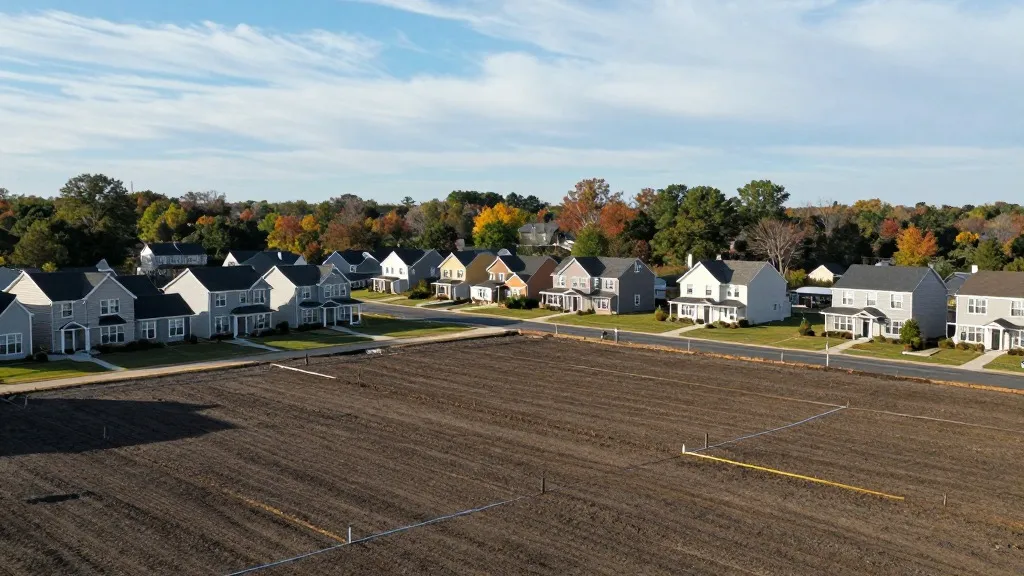
Instead of the massive server farms, the company will repurpose the majority of the 122-acre site, which is the former campus of George Washington University, for mixed-use and residential projects. The deal also includes a donation of 25 acres to the county for a new community arts center and recreational facility. To sweeten the pot, Amazon is contributing $5 million to the local housing fund. This marks a significant shift in strategy for a county already known as Data Center Alley for having the highest concentration of such facilities on the planet.
Local residents had raised serious concerns about the noise and the massive power requirements of data centers. These worries prompted a change in the county's approach to new construction. Amazon originally submitted its proposal in July, but by September, Board of Supervisors Chair Phyllis J. Randall met with company officials to suggest an alternative use for the land. Josh Weissman, Amazon’s vice president of data center development, noted that the company valued the chance to buy the property initially. However, he acknowledged the county's specific concerns about the site. He stated that while legal development potential was viewed differently by both sides, they agreed that a shared vision was better than costly litigation.
The decision comes at a critical time for the region. The boom in AI has driven demand for larger facilities, but local opposition has grown due to fears about electricity prices and resource strain. Just days before this news, President Donald Trump called on data center builders to pay local communities a dividend as energy prices rise. He also suggested that these facilities should generate their own power and sell excess energy back to the grid. Issues like water shortages and deforestation are also becoming key points of contention in these areas.
County officials framed the outcome as a success for negotiation over conflict. Randall stated that choosing dialogue created an opportunity for the county. She highlighted that the agreement provides new places for residents to gather and play. Most importantly, she said, it will provide more attainable homes for working families.
The stakes for the region are high as it balances the need for digital infrastructure with the quality of life for its residents. While Amazon avoids a potential legal battle, it faces the challenge of integrating into a community that is wary of the environmental and economic impacts of its expansion.
This development serves as a test case for how other regions might handle the influx of AI infrastructure. If local pushback can reshape major tech projects, it could influence how future data centers are planned and approved across the South Central states and beyond.
Source: Tom's Hardware · original report published